What Is Double-Wall Glassware? A Daily-Use Explainer
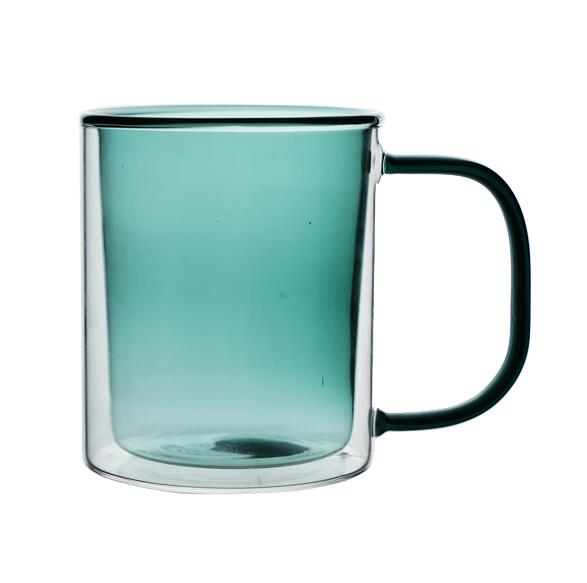
Double-wall glassware is a glass drinkware construction in which two glass walls are separated by a gap. It is not a different glass material by definition. In the supplied product range, the double-wall glass model KTDW0721-GGL uses high borosilicate glass, is hand-blown, and is specified at 340 ml, 145 g, 84 mm top diameter, 60 mm bottom diameter, and 110 mm height. That specification is the clearest starting point for a buyer who is new to daily-use drinkware.
The Short Answer: Construction First, Material Second
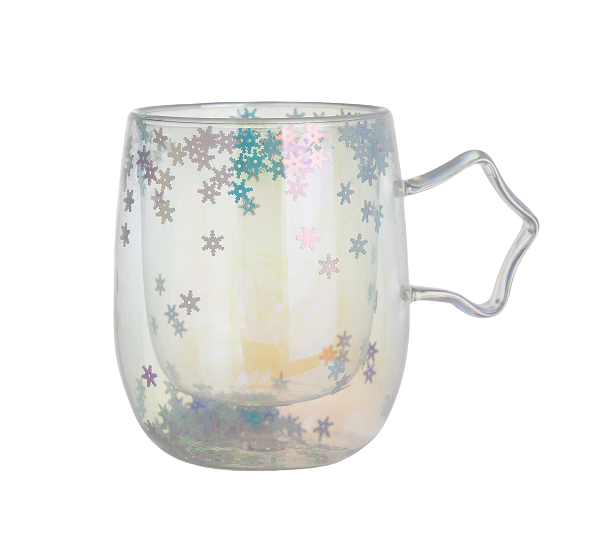
For a buyer meeting the term for the first time, the most useful definition is structural. Double-wall glass has two glass walls. The space between them is part of the insulating design. The supplied product unit for KTDW0721-GGL describes the item as double-walled insulated glass and specifies a hand-blown structure. That tells a buyer what the item is built to do; it does not, on its own, tell the buyer which glass material is used, how long a drink stays hot or cold, or whether the item is suitable for a particular retail program.
Material is a separate question. The same model is listed in high borosilicate glass, with soda lime glass named as an alternative material in the product data. Those are material choices, not synonyms for double-wall construction. A single-wall glass tumbler can be made of high borosilicate glass, and a double-wall item can be quoted in more than one material. Buyers should therefore read the construction and the material as two separate specification fields.
Why New Buyers Ask This Question
Daily-use glassware covers a wide set of items: a glass cup, a glass tumbler, a glass mug, a wine glass, a highball glass, a beer glass, cocktail glasses, and many other shapes. The phrase double wall glass can sound like a category of its own, but in a supplier range it usually describes one construction option within glass drinkware. That distinction matters at the awareness and research stage because it changes what a buyer should ask for.
A buyer who treats double wall as a material may ask only for a price per piece and miss the construction detail. A buyer who treats it as a construction will ask for the model, the material, the capacity, the dimensions, the intended use, the customization scope, and the sample. The second approach produces a more comparable quotation. It also reduces the risk of approving a sample that looks similar but is built differently from the item that will be ordered.
Where Double-Wall Glass Sits in a Daily-Use Glassware Range
In an OEM/ODM supplier’s range, double-wall glassware sits alongside other drinkware constructions and other product families. The supplied company profile for Changsha Yee Win Co., Ltd. lists glass cups, glass tumblers, glass cake stands, and glass plates among main products. The double-wall unit is therefore not the whole range; it is one product type that a retailer, importer, or chain store can evaluate for a daily-use drinkware assortment.
That range perspective is useful for a new buyer. A retail program may need several drinkware types: a standard glass tumbler for everyday use, a double-wall glass for insulated beverage serving, a wine glass for seasonal sets, or a highball glass for bar-style assortments. The double-wall item should be selected because the construction fits the intended use, not because the word double appears in the name. This is also why a category explainer should not be read as a ranking of drinkware types. It is a guide to one construction and the questions it raises.
The Anchor Example: KTDW0721-GGL in Plain Terms
The supplied double-wall glass product unit gives a concrete example. Model KTDW0721-GGL is a double wall glass made of high borosilicate glass, with soda lime glass listed as an alternative material. Its structural configuration is hand-blown and double-walled insulated. The unit lists a 340 ml volume capacity, 145 g net weight, 84 mm top diameter, 60 mm bottom diameter, and 110 mm height. It is intended for insulated beverage serving and for global retailers, importers, and chain stores.
Those details are more useful than a general description because they let a buyer check fit. A 340 ml capacity is a specific volume, not a range. A 145 g net weight is the weight of the item, not the packed carton weight. The dimensions describe top, bottom, and height, which matter for packaging, shelf display, and handling. The model is also listed with OEM and ODM services for sizes, designs, capacity, and packages, so the listed specification is a starting point for a customization discussion rather than a limit on every possible project.
What the Product Unit Specifies
| Attribute | KTDW0721-GGL | What it tells a new buyer |
|---|---|---|
| Model | KTDW0721-GGL | Use the exact model when requesting a sample or document. |
| Product type | double wall glass | Construction category, not a material name. |
| Material | High borosilicate glass; soda lime glass listed as alternative | Confirm which material is quoted for the order. |
| Construction | Hand-blown, double-walled insulated | Hand-blown and double-wall are separate attributes. |
| Capacity | 340 ml | Useful for portion planning and range comparison. |
| Net weight | 145 g | Item weight, not packed weight. |
| Dimensions | Top 84 mm, bottom 60 mm, height 110 mm | Check against packaging, shelving, and handling. |
| Intended use | Insulated beverage serving | A use description, not a tested hold-time claim. |
| Intended buyers | Global retailers, importers, chain stores | Channel fit stated in the product unit. |
| Customization | OEM/ODM for sizes, designs, capacity, packages | Scope must be confirmed for each project. |
How Double-Wall Construction Works in Daily Use
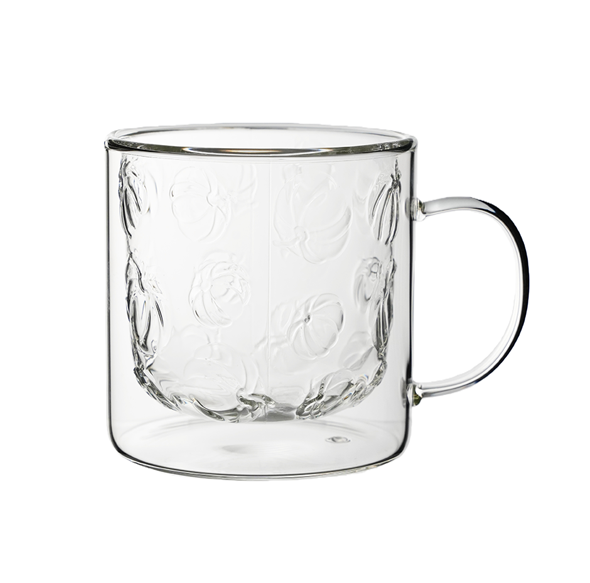
The working idea is simple: the beverage sits inside the inner glass wall, while the outer wall is separated from it by a gap. The supplied product unit calls the construction double-walled insulated. That is enough to explain why the category exists, but it is not enough to promise a specific thermal result. A buyer should not convert the word insulated into an unverified claim such as a fixed number of hours of heat retention.
For daily-use drinkware, the construction can be relevant when the buyer wants a glass item described as insulated beverage serving. The product unit for KTDW0721-GGL uses that phrase as its intended use. The buyer’s next question should be practical: does the supplier’s sample, packaging, and documentation match the intended channel? A double-wall glass for a retail or chain-store program may need a different packaging approach from a single-wall glass tumbler, even when both are glass drinkware.
Step-by-Step: How to Evaluate a Double-Wall Glass Item
- Separate construction from material. Confirm that the item is double-walled and then confirm the glass material. For KTDW0721-GGL, the product unit lists high borosilicate glass and soda lime glass as an alternative.
- Lock the exact model. Use KTDW0721-GGL or the supplier’s current model code. A category description is not a substitute for a model number.
- Read the measured fields. Check capacity, net weight, top diameter, bottom diameter, and height. The supplied figures are 340 ml, 145 g, 84 mm, 60 mm, and 110 mm.
- Match the intended use. The product unit describes insulated beverage serving. If the buyer’s use case is different, the supplier should confirm whether the model fits.
- Check the channel fit. The unit names global retailers, importers, and chain stores. A buyer outside those channels should ask for an explicit confirmation rather than assume the same terms apply.
- Confirm customization scope. OEM and ODM services are listed for sizes, designs, capacity, and packages. The buyer should put the requested change in writing and ask for a revised specification.
- Validate the sample and packaging. A sample review should cover the item, the finish, the dimensions, and the packaging plan. The product unit lists free samples for trial orders, but the sample terms should still be confirmed for the specific project.
Use Cases: Where Double-Wall Glass Fits
The supplied use description is insulated beverage serving, and the intended buyers are global retailers, importers, and chain stores. That makes the most direct use case a daily-use drinkware assortment where a buyer wants a double-wall glass option alongside standard glass tumblers or glass cups. The item can be evaluated for retail shelves, chain-store programs, and importer ranges that already include glass drinkware.
It is less useful to force the item into every drinkware role. A wine glass, champagne glass, beer glass, highball glass, pint glass, or shot glass has its own shape and serving context. Double-wall construction may appear in some drinkware forms, but the supplied anchor model is a double wall glass with a 340 ml capacity and a stated insulated beverage serving use. A buyer should match the model to the role rather than assume that one double-wall item covers all glassware categories.
What Double-Wall Glassware Does Not Tell You
Double wall is a useful starting point, but it is not a complete purchase specification. It does not tell a buyer the glass material, the exact capacity, the weight, the dimensions, the packaging, the MOQ, the lead time, or the price. Those details must come from the model-specific product unit or a quotation. The KTDW0721-GGL unit supplies the material, capacity, weight, dimensions, construction, and intended use, but it does not supply a tested thermal hold time.
It also does not prove that the item is suitable for every preparation or cleaning method. The supplied materials do not provide dishwasher, microwave, oven, or freezer instructions for this model. A buyer should ask for the supplier’s care and use guidance before making those claims in a retail listing. This is a limitation of the available evidence, not a reason to assume the worst; it is simply the boundary between a construction explainer and a full product validation.
Quality Evidence and the OEM/ODM Context
LAKOTTO is the brand name used by Changsha Yee Win Co., Ltd., a daily-use glassware manufacturer and OEM/ODM supplier established in 2003. The supplied company profile lists glass cups, glass tumblers, glass cake stands, and glass plates among main products, and it describes a factory area of more than 10,000 square meters with an annual production capacity of 300,000,000 pieces. For a new buyer, that background explains why a double-wall item can sit inside a wider OEM/ODM range rather than standing alone.
Quality evidence should still be read at the right level. The company profile lists ISO among its certifications, but it does not spell out the exact standard, site, and product scope in the supplied text. A buyer who needs an applicable quality-management scope, such as ISO 9001:2015, should request the certificate that names the relevant manufacturing site and product scope. The separate glass tumbler model KTK0370-2 can help explain the point: it is a 400 ml machine-pressed high borosilicate glass tumbler, not the double-wall model, so any quality document for KTK0370-2 should not be assumed to cover KTDW0721-GGL without confirmation.
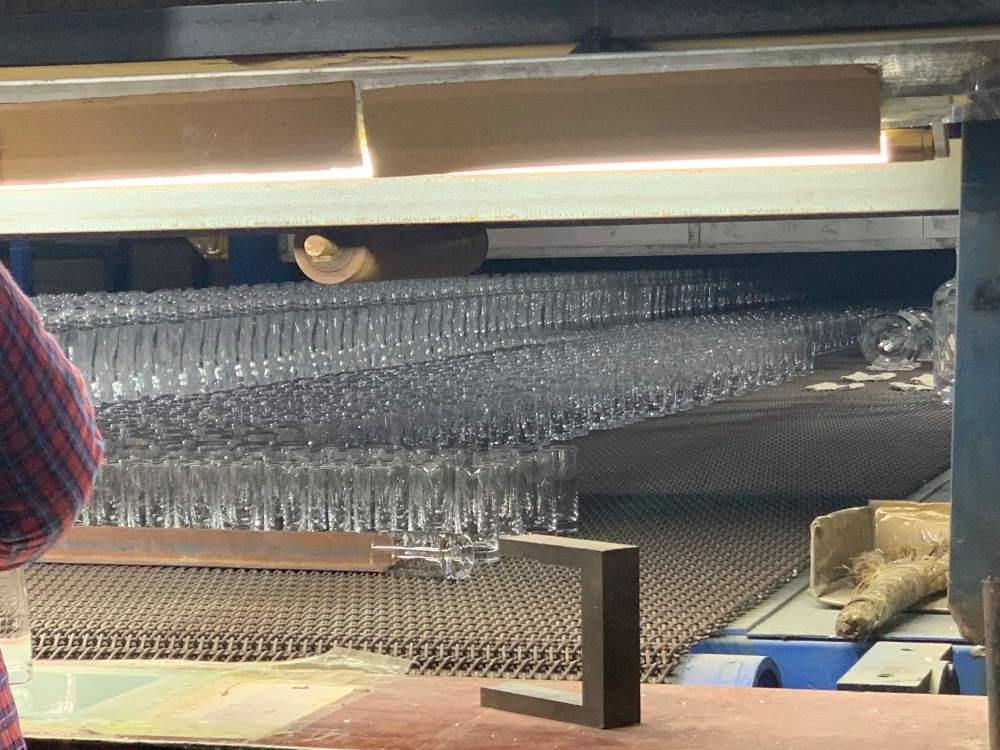
This is why the explainer keeps the quality point narrow. ISO 9001:2015 is a quality-management standard a buyer may ask to verify; it is not a property of double-wall glassware as a category. The relevant document is the one that identifies the supplier, the site, and the product scope. That distinction helps a new buyer ask a better question without turning a basic explainer into a certification checklist.
FAQ
What is double-wall glassware in simple terms?
Double-wall glassware is glass drinkware built with two glass walls separated by a gap. The supplied model KTDW0721-GGL is described as hand-blown, double-walled insulated glass, with a 340 ml capacity and a stated use in insulated beverage serving.
Is double-wall glassware a type of glass material?
No. Double wall describes the construction. The material is a separate specification. KTDW0721-GGL is listed in high borosilicate glass, with soda lime glass named as an alternative material in the product unit.
What does the KTDW0721-GGL specification include?
The product unit lists a 340 ml capacity, 145 g net weight, 84 mm top diameter, 60 mm bottom diameter, 110 mm height, hand-blown construction, double-walled insulated design, and intended use in insulated beverage serving. It is intended for global retailers, importers, and chain stores.
Where does double-wall glass fit in a daily-use drinkware range?
It fits as one construction option within glass drinkware, alongside items such as a glass cup, glass tumbler, glass mug, wine glass, or highball glass. The supplied anchor model is intended for insulated beverage serving, so it should be selected for that role rather than treated as a universal replacement for every drinkware type.
What should a buyer check before ordering double-wall glassware?
Check the exact model, material, capacity, net weight, dimensions, intended use, customization scope, sample terms, packaging, and model-specific quality documents. A practical next step is to request a sample of the named model and confirm the specification in writing with the supplier.
Conclusion
Double-wall glassware is easier to evaluate once the buyer separates three things: the construction, the material, and the intended use. The construction is the two-wall insulated design. The material is the glass itself, such as high borosilicate glass or soda lime glass. The intended use is the application described in the product unit, such as insulated beverage serving. For the anchor model KTDW0721-GGL, the supplied specification gives a 340 ml capacity, 145 g net weight, 84 mm top diameter, 60 mm bottom diameter, and 110 mm height.
That is enough to understand the category without overstating it. Double wall is not a performance guarantee, a material name, or a certification. It is a construction choice that a retailer, importer, or chain store can evaluate with the exact model data. For buyers starting a daily-use drinkware range, the next useful step is a specification and sample review of the named item, not a broader claim about every glass in the category.
Next step: If you are reviewing a double-wall glass for a daily-use drinkware program, request the current specification and a sample of the named model, then confirm material, dimensions, packaging, and quality documents in writing before the order is placed.
Have Questions or Need More Details?
Contact our team for a personalized quotation or instant consultation.
Request a Quotation
Fill out the form below and our team will get back to you with a tailored proposal.
WhatsApp Direct Chat
Prefer to chat in real-time? Message us on WhatsApp for instant assistance & quick answers.
- Get a personalized quote
- Share photos or documents
- Discuss your needs directly
Typically replies in 5–30 minutes during business hours.