Glass Drinkware Payment Terms: Four Structures Compared
Glass Drinkware Payment Terms Compared: T/T in Advance vs Deposit/Balance vs Against B/L Copy
For a 3,000-piece glass drinkware order, the payment structure decides who finances production, when the buyer gains inspection leverage and how much risk remains after the goods leave the factory. The four structures compared here are 100% T/T in advance, 30% deposit with 70% balance before shipment, 10% T/T with 90% before shipment, and 90% against copy bill of lading. None is universally better. Each shifts cash-flow burden and shipment risk between buyer and supplier in a different way.
The working order size in this comparison is 3,000 pieces, covering OEM/ODM programs for glass tumblers, double wall glass, wine glasses and cake stands. That quantity is a comparison basis, not a statement that every supplier uses the same minimum order quantity. The supplier context is LAKOTTO, the daily-use glassware brand of Changsha Yee Win Co., Ltd., a China-based OEM/ODM supplier with more than 20 years of glassware experience and an export focus. Payment terms should still be agreed in a written quotation and contract for the exact SKU, packaging, destination and Incoterm.
What the payment decision actually controls
A glass drinkware payment term is not only a finance preference. It is a risk-allocation clause. At 3,000 pieces, the buyer is committing to a production run that may include custom molds, private-label packaging, printed cartons or a specified glass type. The supplier is committing capacity, materials and quality-control time. The payment schedule determines which party carries the cost if the order is delayed, rejected, damaged or disputed.
- Cash-flow timing: how much money leaves the buyer before production starts, before inspection and before shipment.
- Shipment risk: whether the buyer pays before or after the supplier presents evidence that the goods have been handed to the carrier.
- Inspection leverage: whether the final balance is released before or after pre-shipment inspection and packaging checks.
- Supplier commitment: how much production risk the supplier carries before receiving the majority of the order value.
These four variables rarely align. A term that protects the buyer's cash flow can increase the supplier's risk and reduce willingness to accept custom work. A term that protects the supplier can leave the buyer with limited remedies once money has been paid. The practical task is to match the structure to the order, the relationship and the evidence available.
Why glass drinkware orders need a payment schedule, not a payment slogan
Glass drinkware is a food-contact category with fragile logistics and market-specific compliance expectations. EU-bound food-contact materials must comply with Regulation (EC) No 1935/2004, and manufacturing must follow Good Manufacturing Practices under Commission Regulation (EC) No 2023/2006. Non-stem drinking glasses may be classified under HS 701337, while stemware and other glass articles can require different customs subheadings. These details matter to payment because a supplier's ability to provide consistent specifications, declarations, test reports and shipping documents affects whether the buyer can clear customs and sell the goods.
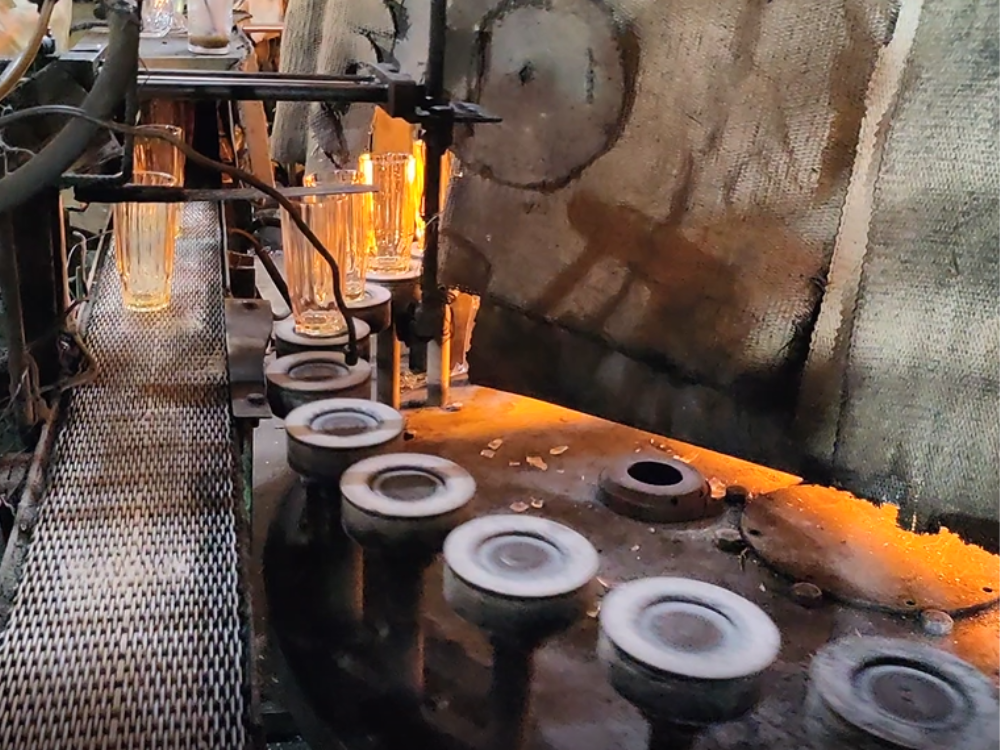
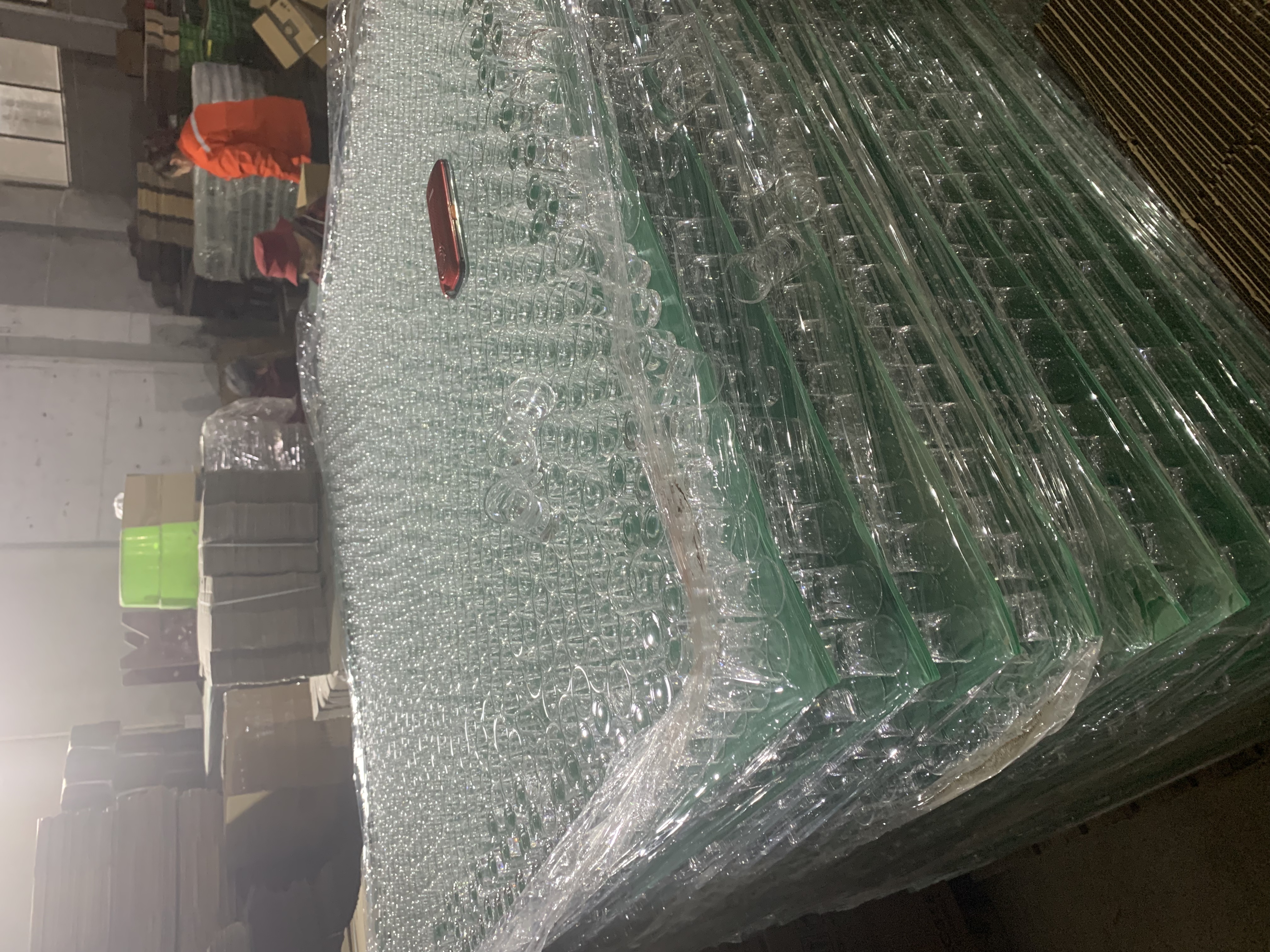
Fragility adds a second layer. A 3,000-piece order may involve palletization, reinforced packaging, inspection before loading and a logistics partner experienced with glass. LAKOTTO's risk-control description lists careful packaging and palletization, pre-shipment inspection, clear order confirmation, reliable logistics partners, an in-house QC team, shock-resistant packaging, a dedicated export coordinator and insurance for high-value shipments. Those measures support the order, but they do not replace a payment schedule that states when inspection happens and which documents release the balance.
A payment term should therefore be read together with the product specification, packaging approval, inspection method and document list. Paying 70% before shipment is very different if the buyer has no inspection right before that payment. Paying 90% against copy B/L is very different if the buyer has not verified the bill of lading, commercial invoice and packing list against the contract.
Four payment structures compared
100% T/T in advance
In a 100% T/T in advance structure, the buyer pays the full order value before production or before shipment, depending on the contract wording. For the supplier, this is the strongest cash position and the lowest payment risk. For the buyer, it is the highest cash-flow burden and the weakest post-payment leverage. The buyer must rely on the supplier's ability to produce, inspect, pack and ship correctly after all money has been received.
At 3,000 pieces, full advance payment can be difficult to justify for a first order unless the buyer has independently reduced the risk through factory verification, sample approval, a clear specification annex and a contract with remedies for delay, defects or document failure. The structure may appear simpler because it avoids balance-payment administration, but simplicity is not the same as lower risk. If the order includes custom packaging or a new mold, the buyer should define approval points before payment, not after.
This term is most defensible when the amount is small relative to the buyer's risk tolerance, when the supplier has been verified through an audit or equivalent evidence, or when the buyer has a strong contractual remedy that can be enforced in practice. It is least suitable when the buyer has no inspection access and no independent verification of the supplier's production status.
30% deposit and 70% balance before shipment
The 30/70 structure splits the order into an upfront commitment and a pre-shipment balance. The 30% deposit gives the supplier working capital for materials and production planning. The 70% balance is paid before shipment, but in a well-drafted agreement it should be released only after the buyer receives evidence that the goods conform to the approved specification and packaging.
For many OEM/ODM glass drinkware orders, this structure offers a practical middle ground. The buyer keeps 70% of the value as leverage until the inspection stage. The supplier receives enough early commitment to justify production. The critical detail is the word shipment. The balance should not become due merely because the supplier says production is finished. It should be tied to a defined inspection result, packaging check and document set.
A 30/70 term works best when the buyer and supplier have agreed on pre-production samples, carton markings, pallet configuration, breakage tolerances and the inspection method before the deposit is paid. If the buyer waits until the balance request to clarify these points, the payment term provides less protection than it appears to.
10% T/T in advance and 90% before shipment
The 10/90 structure reduces the buyer's upfront cash commitment to 10% and concentrates 90% of the value in a final pre-shipment payment. The early cash-flow advantage is real: less money is tied up during production planning. The shipment-risk advantage is not automatic. The buyer still pays the majority before shipment, so the final payment must be protected by inspection and document controls.
This structure can suit repeat orders of established glass mugs, glass cups or glass tumblers when the buyer has a quality history with the supplier and can inspect before the 90% is released. It can also suit buyers who need to preserve working capital during a longer production cycle. It is less comfortable when the order is highly customized, when the buyer has no local inspection support, or when the supplier treats the 90% as payable on a production-completion notice rather than on verified readiness for shipment.
The buyer should define what evidence triggers the 90%. Useful triggers include a passed pre-shipment inspection, confirmed carton and pallet counts, photos of finished packaging, and a document set that matches the purchase order. The term should also state what happens if the inspection finds defects: rework, replacement, a revised ship date or a payment hold. Without that language, a low deposit does not necessarily produce a low-risk order.
90% against copy B/L
In a 90%-against-copy-B/L structure, the majority payment is released when the supplier presents a copy bill of lading rather than before shipment. This shifts timing in the buyer's favor compared with a 90% pre-shipment balance, because payment follows documentary evidence that the goods have been handed to the carrier. It also shifts risk to the supplier, who may ship before receiving the bulk of the order value.
The term needs careful drafting. A copy B/L is not the same as the original bill of lading, and it is not proof that the goods match the approved sample. The buyer should verify the B/L copy against the commercial invoice, packing list, purchase order, container or booking details, port of loading, port of discharge, consignee and goods description. The contract should state how the original B/L will be released and how the remaining 10% is handled if the 90% is the only defined tranche. Leaving that split implicit creates avoidable disputes.
For the supplier, this is a document-based credit decision. It may be more acceptable for an established buyer or a standard product than for a first-time custom program. For the buyer, the advantage is later payment timing; the limitation is that documents do not prove product quality. A pre-shipment inspection before container loading remains important, and the buyer should confirm the carrier and B/L details through an independent channel before releasing a large payment.
This structure is not a substitute for a compliance file. If the order is EU-bound, the buyer should link payment to the agreed food-contact declaration, test report or conformity document where applicable. The exact standard, report number and product scope should be named. A generic ISO or RoHS label is not enough if the buyer's market requires a specific current document.
Comparison table: cash flow, shipment risk and supplier commitment
| Payment structure | Buyer cash-flow timing | Main buyer risk | Main supplier risk | Inspection and document leverage | Conditional fit for a 3,000-piece OEM/ODM order |
|---|---|---|---|---|---|
| 100% T/T in advance | Full value paid before production or shipment | Weakest post-payment leverage; quality, delay and document failures must be pursued after payment | Lowest payment risk; strongest cash position | Depends on contract remedies and pre-payment verification | Only where the supplier is independently verified and the contract provides enforceable remedies |
| 30% deposit and 70% balance before shipment | 30% early; 70% near dispatch | Balance may be requested before a meaningful inspection | Moderate; supplier carries production risk until the balance | Good if the 70% is released after passed inspection and document review | A practical structure for custom packaging, private label and first or early repeat orders |
| 10% T/T and 90% before shipment | 10% early; 90% near dispatch | Low upfront cash, but high final payment before shipment | Higher than 30/70 at the final stage because most value arrives late | Workable if the 90% is tied to inspection and packing evidence | Better for established repeat orders and buyers with inspection support |
| 90% against copy B/L | Majority paid after shipment evidence | Document risk; copy B/L does not prove product quality | High; supplier ships before receiving most of the value | Document review is central; quality leverage depends on pre-shipment inspection | Conditional; requires precise B/L, invoice and original-document terms |
The table shows a trade-off rather than a ranking. A term that reduces one risk usually increases another. The buyer should choose the structure that matches the evidence they can actually verify before money moves.
How to choose and document a payment structure for 3,000 pieces
A payment term becomes useful only when it is written into an order-specific workflow. The following sequence applies to glass drinkware programs regardless of whether the product is a glass mug, double wall glass, wine glass, champagne glass, cocktail glass, beer glass, highball glass, pint glass, shot glass, glass water bottle or glass cake stand.
- Fix the commercial baseline first. Confirm the product family, quantity, size, glass type, decoration, packaging, carton markings, destination, Incoterm and required compliance documents. A payment term cannot compensate for an undefined specification. For a 3,000-piece order, even a small change in carton size or pallet configuration can affect freight and inspection.
- Separate deposit, production, inspection and shipment milestones. Do not use vague labels such as before shipment without defining the evidence that marks the milestone. A deposit may be due on order confirmation; a balance may be due after passed inspection and presentation of the packing list. The contract should state the sequence, not only the percentages.
- Approve a pre-production sample where customization is involved. For private label, printed decoration, custom packaging or a new shape, the approved sample and specification annex should be referenced in the payment clause. The buyer should know which sample, revision and packaging artwork were approved before the deposit is released.
- Define the inspection method before the balance. The buyer should agree on who inspects, what is checked, how defects are recorded and what happens if the inspection fails. For glass, the check should include visible defects, dimensional conformity where specified, packaging integrity, carton counts and pallet condition. The payment clause should allow the buyer to withhold the balance until agreed corrective action is completed.
- Link document-based payment to a document checklist. For 90% against copy B/L, list the B/L copy, commercial invoice, packing list, purchase order number, goods description, quantity, vessel, ports and container details. Require the supplier to correct discrepancies before payment. Confirm the original B/L release process in writing.
- Address delay, breakage and document failure in the contract. Payment terms allocate cash, but remedies allocate consequences. The contract should state what happens if production is late, if the inspection fails, if the carrier booking changes or if the documents are inconsistent. A schedule that has no remedy for failure is only a timetable.
- Verify certificates and scope before using them as a payment condition. A supplier may list BSCI, ISO, LFGB, Sedex/SMETA, FSC or Disney FAMA in its profile. The buyer should request the current certificate, standard, scope, issuing body and validity where relevant. For EU food-contact orders, the applicable declaration or test document should be named in the purchase order. Do not release a compliance-linked balance against a generic label alone.
Use cases: matching the structure to the buying situation
First OEM/ODM order with custom packaging
A first order with custom packaging or a private-label program usually needs more control than a standard stock order. The 30/70 structure can work when the 70% is tied to sample approval, pre-shipment inspection and packaging confirmation. The buyer keeps meaningful leverage until the goods are verified, while the supplier receives a deposit for production. The buyer should not treat the 30% deposit as approval of the final specification; it is a commitment to proceed under the agreed documents.
Repeat order of stock glass tumblers or glass mugs
A repeat order of established glass tumblers, glass mugs or glass cups may support a 10/90 structure if the buyer has a reliable inspection process and a quality history with the supplier. The low deposit preserves working capital, while the 90% balance can be released after inspection. This structure should still define the final payment trigger. A repeat order is not automatically a low-risk order if the packaging, decoration or carton markings have changed.
EU compliance-driven private label program
For EU-bound private label glass drinkware, the payment schedule should name the food-contact documents and test evidence that must be available before shipment. A 30/70 structure with a document and inspection gate is easier to administer than a single advance payment because the buyer can match the balance to the compliance file. The buyer should confirm the exact product scope and current document status rather than assuming that a company-level certification covers every SKU.
Document-controlled shipment for a distant market
A buyer sourcing from China to South America, Asia or another distant market may consider 90% against copy B/L when the supplier accepts document-based payment. The structure can improve payment timing after shipment, but it requires a reliable document review process. The buyer should verify the B/L copy, invoice and packing list before payment, and should still arrange pre-shipment inspection before loading. Document control is not a replacement for product control.
Where LAKOTTO fits the decision
LAKOTTO is the daily-use glassware brand of Changsha Yee Win Co., Ltd., a China-based OEM/ODM supplier serving global retailers, importers and chain stores. Its published profile lists product design, mold development, customized packaging, private label, production follow-up and quality control as part of its one-stop service. The company reports a 10,000+ square meter factory footprint, 100 employees, 10 designers, 150+ cooperating glass factories, a 4,000+ square meter warehouse, 99% export ratio and annual output of 300,000,000 pieces. These facts help a buyer judge order scale and supply capability, but they do not replace SKU-level inspection or a written payment schedule.
The profile also lists BSCI, ISO, LFGB, Sedex/SMETA, FSC and Disney FAMA among its audits and certifications. Buyers should match each claim to the current certificate, standard and product scope before making it a payment-release condition. A generic ISO reference should be read against the actual certificate number and scope. If a buyer requires RoHS or another declaration for a specific market, that requirement should be named in the quotation and purchase order rather than assumed.
LAKOTTO's supplied comparison content states 10–20% lower pricing on comparable glassware items while maintaining high quality standards, and a 10% lower total cost versus alternatives. Those are company-supplied commercial claims, not independent market data. They can inform budget discussions, but the buyer should verify them against a dated quotation for the exact glass tumbler, double wall glass, wine glass or cake stand specification. A price advantage does not change the risk mechanics of a payment term.
For a 3,000-piece program, the more useful step is to ask for a written quotation that separates product price, tooling if applicable, packaging, inspection, freight terms and payment milestones. That document should show which evidence releases each payment and which documents accompany shipment. A clear quotation is more valuable than a low percentage alone.
FAQ
What compliance documents should be linked to payment for EU-bound glass drinkware?
EU-bound food-contact glass drinkware should be linked to the applicable food-contact declaration and manufacturing evidence for the specific product. The EU framework includes Regulation (EC) No 1935/2004 and Good Manufacturing Practices under Commission Regulation (EC) No 2023/2006. The purchase order should name the exact document, standard, report number and product scope required before the balance is released. Company-level certificates are useful for supplier screening, but they do not automatically cover every SKU.
Which glass drinkware manufacturers are better for initial sourcing: Chinese factories or Turkish suppliers?
The supplied evidence does not support a universal winner between Chinese factories and Turkish suppliers. The better manufacturer is the one that can document the required product specification, certification scope, inspection process, payment terms and shipping documents for the buyer's market. For Chinese sourcing, LAKOTTO's profile provides an example of an OEM/ODM supplier with export experience, a broad glassware portfolio and listed audits. Turkish suppliers would need equivalent verification. Buyers should compare dated quotations and evidence, not country labels alone.
Which payment term is better for a 3,000-piece glass drinkware order?
There is no single better term for every 3,000-piece order. A 30/70 structure with inspection before the balance is often practical for first or customized orders because it preserves buyer leverage. A 10/90 structure can suit repeat orders where the buyer has inspection support. A 90%-against-copy-B/L term can improve payment timing after shipment but requires strict document control. Full advance payment is the least attractive for the buyer unless the supplier risk has been independently reduced.
Should a pre-production sample be approved before the balance payment?
Yes, where the order involves custom decoration, packaging, a new shape or a private-label program. The approved sample, artwork and specification annex should be referenced in the payment clause before the deposit and again before the balance. The buyer should record the approved revision and keep the sample available for comparison during pre-shipment inspection. A payment schedule that does not identify the approved sample is weaker than one that does.
What is the glass drinkware lead time from a factory?
Lead time depends on the product, tooling status, packaging, order quantity, inspection requirements and shipping schedule. No single lead time applies to every glass mug, wine glass or cake stand order. The buyer should request a written schedule with milestones for sample approval, material readiness, production, inspection, packing and handover to the carrier. For a 3,000-piece program, a written lead-time breakdown is more useful than a single promised date, and payment should follow the completed milestones.
Next step for a 3,000-piece glass drinkware inquiry: request a written quotation from LAKOTTO that states the product specification, inspection points, payment milestones and shipping documents in one place. The company website is www.kottoglass.com.
Conclusion
Payment terms for glass drinkware should be chosen as a risk-allocation system, not as a discount lever. For a 3,000-piece OEM/ODM order, 100% T/T in advance gives the supplier the strongest cash position and the buyer the weakest post-payment leverage. A 30/70 structure can provide a workable balance when the 70% is released after inspection. A 10/90 structure lowers the upfront commitment but still requires a strong final-payment trigger. A 90%-against-copy-B/L structure moves payment closer to shipment evidence, yet it depends on disciplined document review and does not prove product quality by itself.
The practical answer is to write the payment schedule around evidence the buyer can verify: approved samples, passed inspection, confirmed packing, consistent B/L details, current compliance documents and a clear remedy for failure. LAKOTTO's export profile, listed certifications and 300,000,000-piece annual output provide useful screening context, but the specific SKU quotation, certification scope and inspection rights remain decisive. Match the term to the order, then make every payment milestone visible in the contract.
Have Questions or Need More Details?
Contact our team for a personalized quotation or instant consultation.
Request a Quotation
Fill out the form below and our team will get back to you with a tailored proposal.
WhatsApp Direct Chat
Prefer to chat in real-time? Message us on WhatsApp for instant assistance & quick answers.
- Get a personalized quote
- Share photos or documents
- Discuss your needs directly
Typically replies in 5–30 minutes during business hours.