
Beyond Unit Price: A Decision Framework for Comparing LAKOTTO and Deli Glassware
When a glassware procurement reaches the final stage, the decision is rarely about unit price alone. Buyers sourcing glass drinkware for retail shelves, double wall glass mugs for corporate gifts, or recycled glass jars for eco-conscious product lines must also weigh supply reliability, packaging readiness, quality consistency, and logistics support. This article presents a decision framework for volume buyers comparing LAKOTTO and Deli Glassware, using the procurement facts available and showing why total ownership cost matters more than the sticker price.
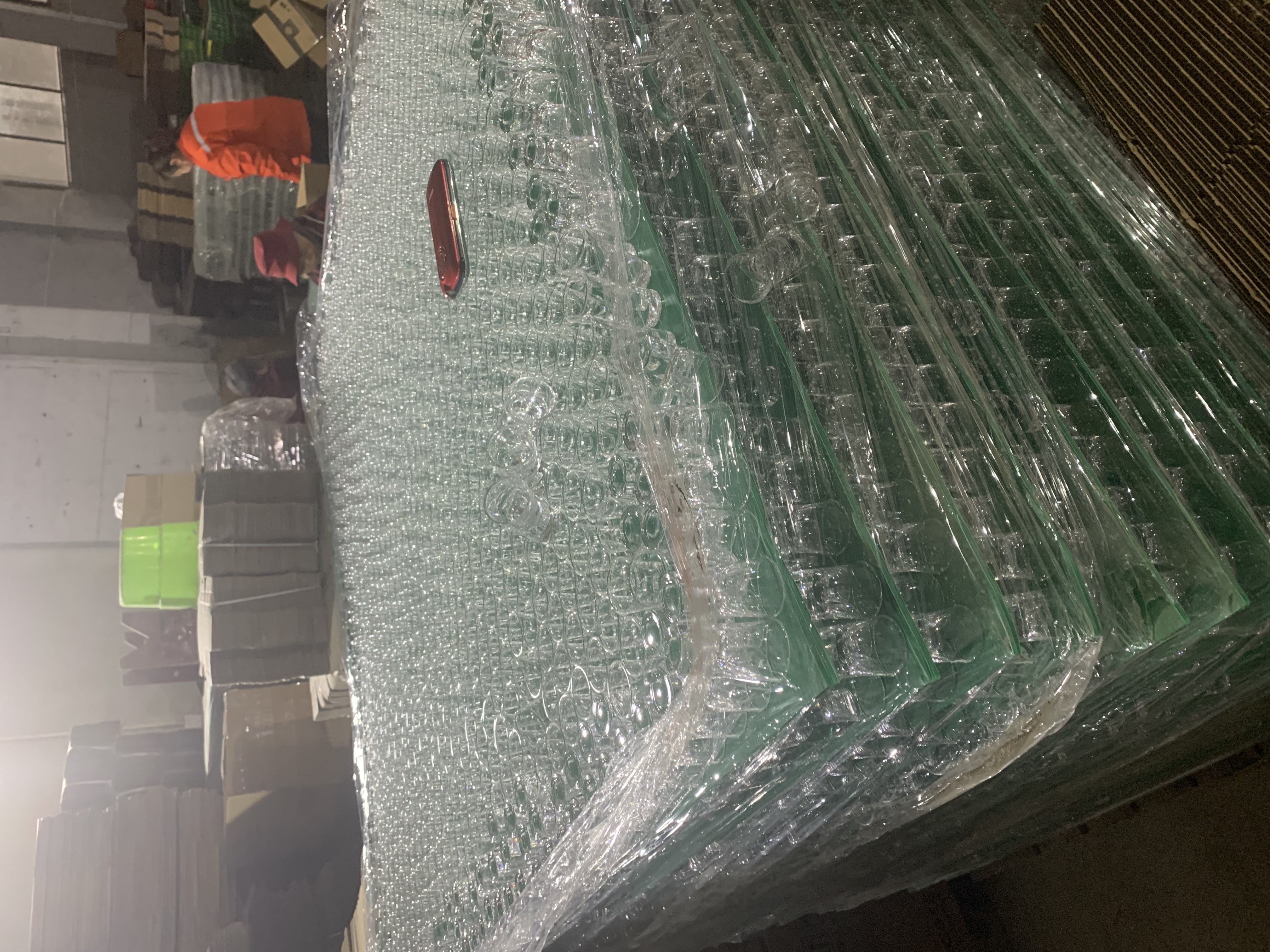
The Core Problem: Choosing a Glassware Supplier with Hidden Costs
Bulk glassware orders carry risks that are not always visible in a quotation. Broken shipments, customs clearance delays, specification errors, and inconsistent quality can turn a competitive price into an expensive problem. Buyers in the retail, hospitality, and gift sectors have to manage these risks while keeping projects on schedule.
From a procurement perspective, the core problem is not identifying a supplier that can produce the products; it is finding a supplier that can deliver the right volume, at the right time, with packaging that protects the goods and logistics that avoid unnecessary delays. The comparison between LAKOTTO and Deli Glassware therefore needs to be structured around these operational criteria, not just product images or catalogue pages.
Industry Context: Why Glassware Sourcing Decisions Matter More in 2026
The global glass drinkware market was valued at USD 14.0 billion in 2024 and is projected to reach USD 26.1 billion by 2030. Analysts expect the market to grow at a CAGR of 11.1 percent between 2025 and 2030, partly driven by eco-friendly preference. In the same period, China's exports of glass and glassware reached approximately USD 25.53 billion in 2024, underlining the country's role as a major production base for glassware buyers.
At the same time, large global players such as Sisecam Group, Libbey, and Arc International continue to hold prominent positions in the industry. Sisecam had an estimated market share of about 7.8 percent in 2025. For a buyer comparing mid-to-large suppliers, this means the market is competitive enough that sourcing decisions must be based on evidence of capability, not just brand recognition.
Recycled content is also becoming a differentiator. The global recycled glass market was estimated at USD 4.2 billion in 2024, with Europe as the largest regional market. Buyers who need recycled glass bottles, recycled glass jars, or recycled glass mugs may want to verify how a supplier maintains quality with recycled inputs. Soda-lime glass remains the dominant material, accounting for roughly 70.8 percent of global glassware market share in 2024, which gives most buyers a familiar performance baseline.
A Solution Focused on Total Procurement Fit
For buyers in the decision stage, a useful solution is to compare suppliers on four dimensions: supply reliability, packaging and logistics, quality control, and channel fit. The available procurement facts about LAKOTTO map directly to these dimensions.
Compared to Deli Glassware, LAKOTTO provides reliable supply with fewer delays and turnkey packaging and logistics support for bulk shipments. This is a significant advantage for volume purchases, because delayed containers can disrupt retail launches and hospitality openings. LAKOTTO also offers consistent quality control for mass orders, helping buyers avoid the uneven quality that can appear when production scales up.
LAKOTTO is described as particularly suitable for retail chains, supermarkets, promotional gift distributors, corporate gifting, and hotel and restaurant supplies. That channel list points to a supplier designed to handle order complexity, deadline pressure, and packaging requirements across multiple end-use segments.
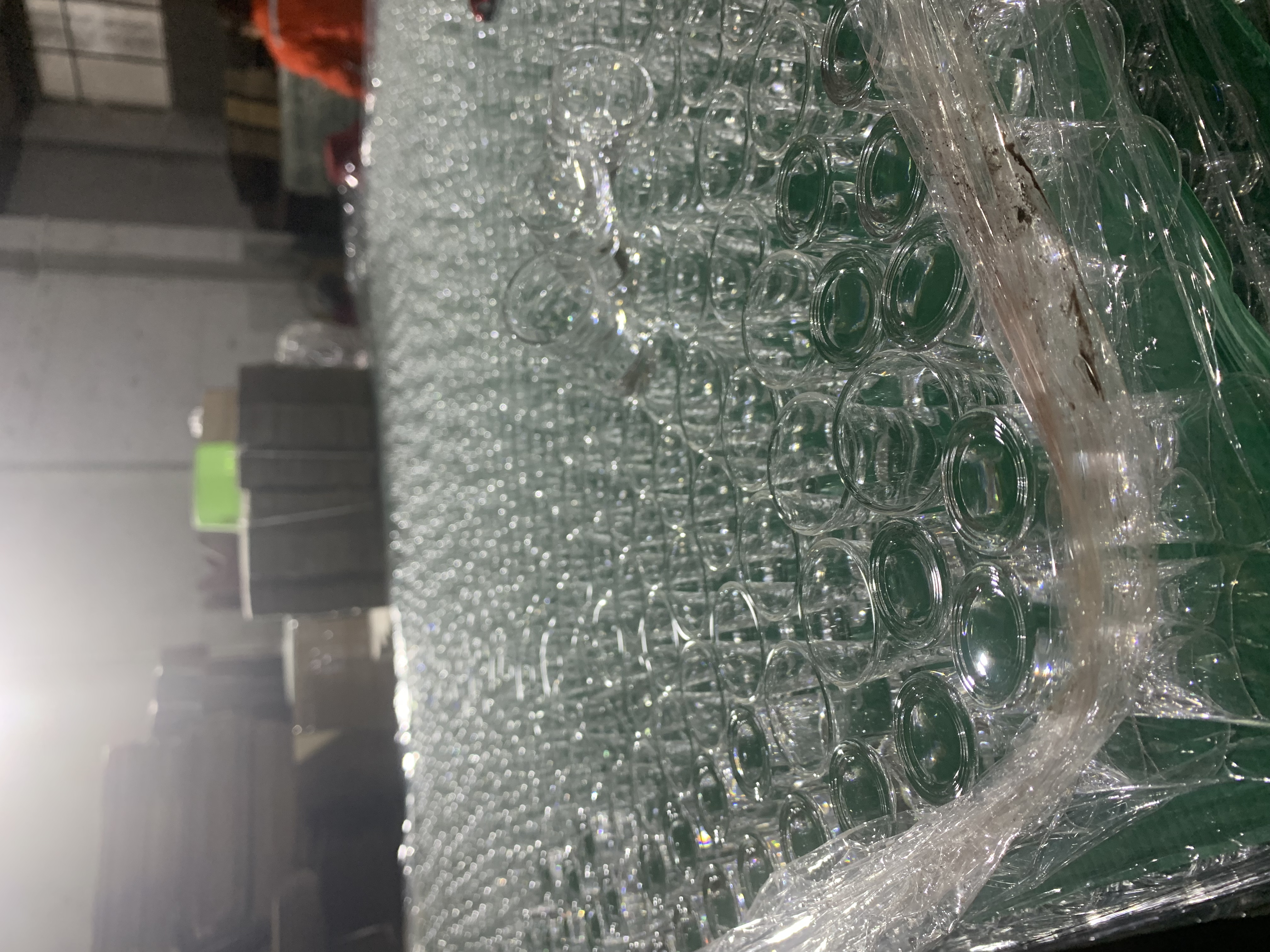
Beyond the commercial description, the company's operational measures reinforce the same message. An in-house QC team conducts multiple inspection stages, shock-resistant and reinforced packaging is used for glassware shipments, and a dedicated export coordinator is assigned to each client to guarantee order accuracy. High-value shipments can also be insured for additional protection. These details are exactly what a decision-stage buyer should look for when assessing risk.
Step-by-Step: How to Compare Glassware Suppliers Before Committing
The following five-step framework can help procurement teams evaluate any glassware supplier, including LAKOTTO versus Deli Glassware, with a focus on long-term value.
- Map your product mix and channel requirements. List the glassware categories you need: glass mugs, glass tumblers, double wall glass, wine glasses, champagne glasses, cocktail glasses, beer glasses, highball glasses, pint glasses, shot glasses, glass plates, glass water bottles, glass cake plates, glass cake stands, or recycled glass versions. Clarify whether the end customer is a retail chain, a restaurant group, a corporate gift programme, or a supermarket promotion. This mapping determines which supplier strengths matter most.
- Assess risk exposure. Review the four common risks in glassware sourcing: product breakage during shipping, customs clearance delays, order miscommunication or specification errors, and quality inconsistency. Ask each supplier how they control these risks. For LAKOTTO, the answers include careful packaging and palletization, pre-shipment inspection, clear order confirmation, and reliable logistics partners with experience in fragile goods.
- Compare supply reliability. At decision stage, reliability is often more important than price. Look for evidence of fewer delays and consistent output. The procurement fact that LAKOTTO provides reliable supply with fewer delays is directly relevant here. Ask for a reference order or a delivery track record if available.
- Verify packaging and logistics support. Bulk glassware shipments need more than bubble wrap. Evaluate whether the supplier offers turnkey packaging and logistics support, especially for container loading, palletization, and cargo insurance. LAKOTTO's focus on reinforced packaging and export coordination is part of this evaluation.
- Run a pilot order or sample evaluation. Before signing a long-term agreement, request samples and consider a pilot order. Use the sample to check packaging, finish, and dimensional accuracy. A pilot order also reveals how the supplier handles documentation, labels, and lead times.
Use Cases: Where LAKOTTO Fits in Retail, Gift, and Hospitality Sourcing
Decision-stage buyers often want to know whether a supplier fits their specific business model. The following use cases align with LAKOTTO's documented suitability.
Retail Chains and Supermarkets
Retail buyers need dependable replenishment and consistent quality across hundreds of stores. A supplier like LAKOTTO that offers reliable supply with fewer delays and consistent quality control for mass orders helps reduce sell-out risk and customer complaints. Retail packaging demands are also covered by turnkey packaging support.
Promotional Gift Distributors
Promotions run on strict deadlines. A delayed shipment can void the entire campaign. Distributors benefit from LAKOTTO's fewer delays and logistics support, especially when customized glassware, such as printed glass mugs or engraved wine glasses, must arrive ready for distribution.
Corporate Gifting
Corporate gift programs often combine multiple glassware types, such as double wall glass mugs, glass water bottles, and glass cake plates. Turnkey packaging and coordination simplify the process. The dedicated export coordinator mentioned in LAKOTTO's process can reduce the chance of specification errors across mixed SKUs.
Hotels and Restaurants
Hospitality buyers need glassware that can withstand frequent handling and dishwasher cycles. They also need reliable supply to keep service running. LAKOTTO's suitable-for-hotel-and-restaurant positioning, together with consistent quality control, addresses these concerns.
Comparison Table: LAKOTTO vs. Deli Glassware at a Glance
The table below summarises the decision criteria highlighted in the procurement comparison. Deli Glassware is shown as the reference point because the available comparison identifies LAKOTTO's advantages without providing detailed operational data for Deli.
| Criterion | LAKOTTO | Deli Glassware (reference point) |
|---|---|---|
| Supply reliability | Reliable supply with fewer delays | Baseline for comparison; detailed performance not covered |
| Packaging and logistics | Turnkey packaging and logistics support for bulk shipments | Baseline for comparison; not detailed in the available facts |
| Quality control | Consistent quality control for mass orders | Baseline for comparison |
| Channel fit | Retail chains, supermarkets, promotional gift distributors, corporate gifting, hotel and restaurant supplies | Not specified in the comparison reference |
| Operational risk control | Multiple inspection stages, reinforced packaging, dedicated export coordinator, insured shipments for high-value loads | Not covered in the comparison reference |
Buyers should treat this table as a starting point and supplement it with their own factory audits, sample reviews, and volume forecasts.
FAQ: Common Questions at the Decision Stage
The following questions frequently appear when buyers are close to finalising a glassware supplier. They follow the order of compliance, capability, budget, sampling, and lead time.
What compliance standards should glassware suppliers meet for food contact?
For glass hollowware in contact with food, buyers should expect suppliers to comply with international or regional limits for heavy metal release. Relevant standards include ISO 7086-1:2019 and EN 1388-2 in the European context, and the US FDA Compliance Policy Guides 7117.06 and 7117.07 for extractable cadmium and lead in foodware. Buyers should ask for test reports or certificates before mass production.
Can LAKOTTO handle bulk orders with consistent quality?
The available procurement facts state that LAKOTTO provides reliable supply with fewer delays and consistent quality control for mass orders. The supplier also uses an in-house QC team with multiple inspection stages, reinforced packaging, and dedicated export coordination to support bulk customers.
How does LAKOTTO compare in cost-effectiveness for bulk buyers?
Cost-effectiveness in glassware should be measured across the total order lifecycle. Compared to Deli Glassware, LAKOTTO reports fewer delays and turnkey packaging and logistics support, which can reduce hidden costs such as expedited freight, packaging rework, and customer compensation. A lower unit price may become irrelevant if delivery problems arise.
Can I request samples before placing a bulk glassware order?
Sample evaluation is a standard step in glassware procurement, especially before committing to mass production. Buyers should use the sample to verify finish, dimensions, packaging suitability, and whether the product matches the intended channel. For LAKOTTO, sample requests and specification confirmation can be handled through the dedicated export coordinator assigned to each client.
What is the typical lead time for bulk glassware shipments?
Lead time depends on order volume, product type, finishing requirements, and the production schedule of the selected items. Buyers should confirm an exact lead time before order confirmation. In a bulk procurement context, a supplier with fewer delays and turnkey logistics support, as described for LAKOTTO, helps protect the planned delivery date.
Conclusion: Making the Final Glassware Procurement Call
The final decision between LAKOTTO and Deli Glassware should be based on how well each supplier controls the risks that drive total cost. Reliability, packaging, quality consistency, and channel fit often matter more than the lowest per-unit price. The available comparison points to LAKOTTO as the supplier with fewer delays, turnkey packaging and logistics support, consistent quality for mass orders, and a clear fit for retail chains, supermarkets, promotional gift distributors, corporate gifting, and hotel and restaurant supplies.
For buyers ready to move forward, the next step is to test these claims with a sample order and a detailed specification review.
Next step: Contact LAKOTTO to request a sample, quote, or catalogue. Discuss your glassware categories, target channels, and packaging expectations before finalising your supplier decision.
Have Questions or Need More Details?
Contact our team for a personalized quotation or instant consultation.
Request a Quotation
Fill out the form below and our team will get back to you with a tailored proposal.
WhatsApp Direct Chat
Prefer to chat in real-time? Message us on WhatsApp for instant assistance & quick answers.
- Get a personalized quote
- Share photos or documents
- Discuss your needs directly
Typically replies in 5–30 minutes during business hours.