Validating Glassware OEM/ODM Capabilities Before Scale-Up
A practical framework for buyers moving from sample evaluation to production, with LAKOTTO as a reference OEM/ODM partner.
Introduction: Why a Great Sample Is Not Enough
Glassware procurement decisions are rarely based on a single product. A retail buyer may need glass mugs, glass cups, glass tumblers, double wall glass, glass jars, wine glasses, champagne glasses, cocktail glasses, beer glasses, highball glasses, pint glasses, shot glasses, glass plates, glass water bottles, glass cake plates, and glass cake stands. At the evaluation stage, the real question is not 'can the supplier make a sample?' but 'can the supplier execute the buyer’s specification consistently at scale?' This article explains how to validate glassware OEM/ODM capabilities before committing to production. It uses LAKOTTO—a glassware supplier specializing in OEM/ODM manufacturing and global supply for retail, hospitality, and corporate gift buyers—as a reference for the type of capability evidence a buyer should request.
Problem Definition: The Gap Between Sample and Production
OEM means a manufacturer produces goods according to the buyer’s design. ODM means a manufacturer develops the design and offers it to the buyer for branding. Both models are common in glassware. The problem is that many buyers evaluate these models with the same methods used for stock product purchasing. Three gaps are common. First, a sample decision may overlook production feasibility. Second, the customization scope may be described only in vague terms, such as 'custom logo' or 'custom size,' without clarifying tooling and tolerance. Third, compliance data may not be requested until after the order is placed, which creates costly delays.
Capability assessment should therefore answer one focused question: can this supplier turn a specification into repeatable output under commercial constraints? That question spans tooling, material, decoration, testing, packing, process control, and after-sales support.
Industry Background: Why OEM/ODM Capability Matters in 2026
Market data explains why OEM/ODM capability is becoming more important. The global glass drinkware market was valued at USD 14.0 billion in 2024 and is projected to reach USD 26.1 billion by 2030 (Grand View Research). The same source projects a CAGR of 11.1% between 2025 and 2030, driven partly by eco-friendly preferences. China’s exports of glass and glassware reached approximately USD 25.53 billion in 2024 (UN Comtrade / Trading Economics), reflecting the scale of China-based production available to global buyers.
Soda-lime glass remains the dominant material, accounting for approximately 70.8% of global glassware market share in 2024 (Grand View Research). At the same time, the global recycled glass market was estimated at USD 4.2 billion in 2024, with Europe being the largest regional market (Global Market Insights). Among top-tier global leaders, Sisecam Group, Libbey, and Arc International are frequently cited, with Sisecam holding approximately 7.8% of the glassware market in 2025 (Global Market Insights). For buyers, this mix means that customization and sustainability are not secondary concerns; they are core purchase drivers.
Detailed Solution: A Capability Framework for Glassware OEM/ODM Evaluation
Below are six capability dimensions that procurement teams can use to evaluate a supplier such as LAKOTTO. Each dimension includes the evidence a buyer should request.
1. Category and Product Range
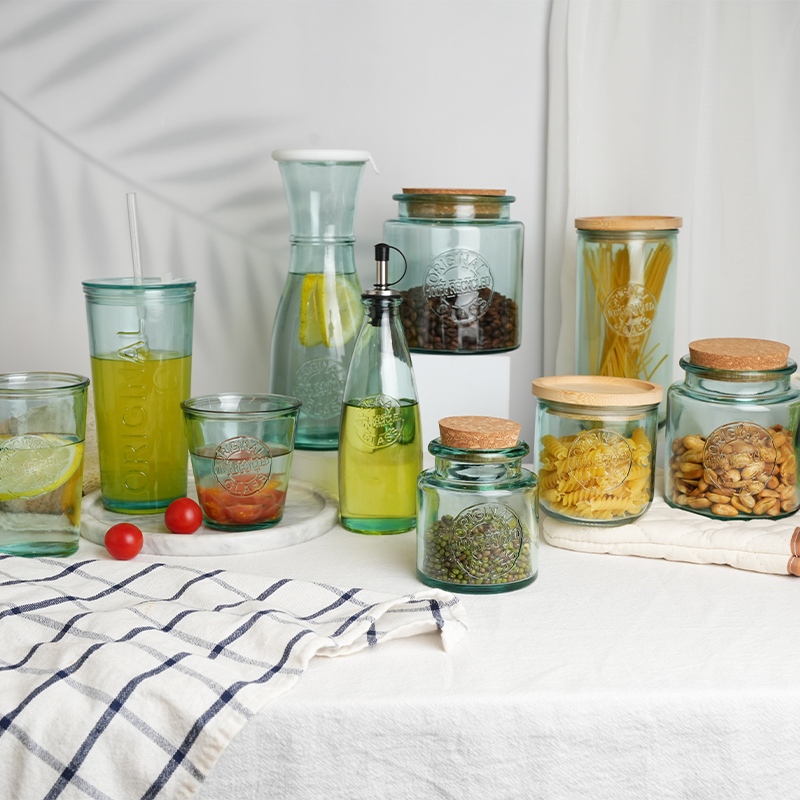
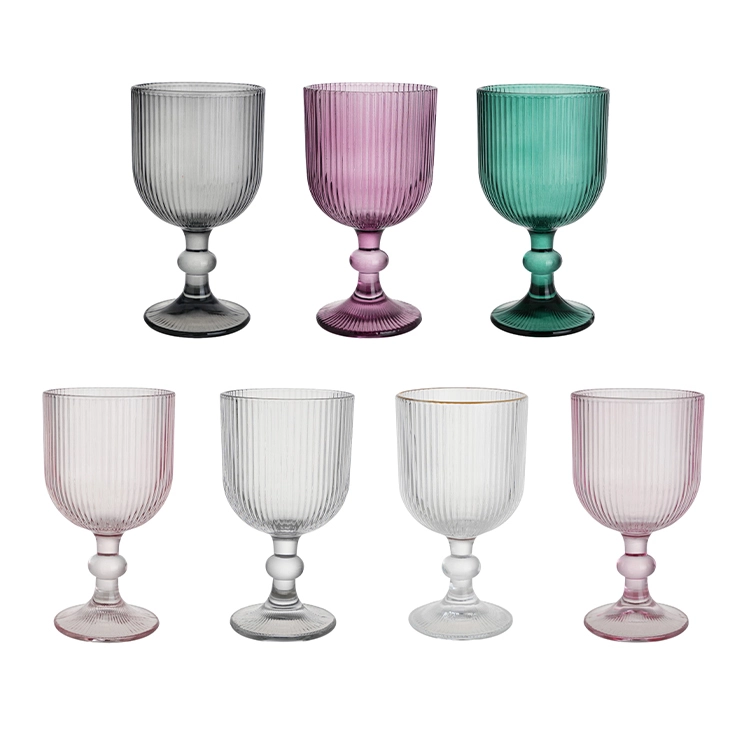
Category coverage is one signal of flexibility. A supplier that can produce glass drinkware in multiple formats—glass mugs, glass cups, glass tumblers, double wall glass, glass jars, wine glasses, champagne glasses, cocktail glasses, beer glasses, highball glasses, pint glasses, shot glasses, glass plates, glass water bottles, glass cake plates, and glass cake stands—is more likely to share tooling and process knowledge across product families. LAKOTTO’s supplier profile describes a range that includes double wall glass, recycled glassware, ribbed glass tumblers, and standard drinkware. Buyers should ask for product reference lists and production histories before assuming capacity.
2. OEM vs ODM Capability: Tooling, Mold, and Design Support
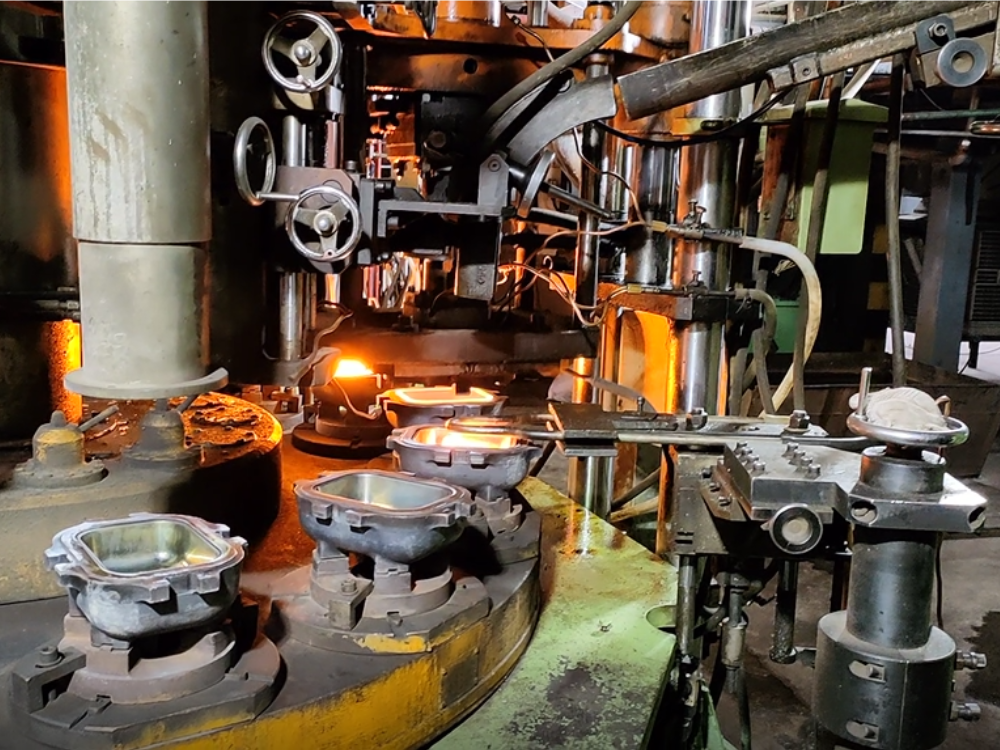
OEM begins with a buyer drawing. ODM begins with a brief. A capable supplier should explain mold lead time, mold cost, material selection, and decoration options from a clear technical drawing. Ask who owns the mold after production, how revisions are handled, and what sample iterations cost. LAKOTTO’s OEM/ODM positioning means these questions should be part of the inquiry process. If a supplier cannot explain the tooling path, the sample is not yet a reliable proof of production capability.

3. Material and Recycled Content
Soda-lime glass accounts for approximately 70.8% of global glassware market share, but demand for recycled glass options is growing. A buyer specifying recycled glass jars, recycled glass mugs, or recycled glass bottles should ask about cullet sourcing, color consistency, and recycled content verification. Do not accept an environmental claim without documentation. The recycled glass market is large enough—estimated at USD 4.2 billion in 2024—that credible suppliers should be able to describe their material chain.
4. Decoration and Surface Finish
Custom glassware usually requires logo printing, frosting, spraying, or other surface treatment. The buyer should ask for decoration test reports under dishwasher or abrasion conditions, because this is where samples often fail to match production. Request a color standard and a sample retention policy so future batches can be compared with the approved sample.
5. Compliance, Food Contact Safety, and Quality Control
For glass hollowware in contact with food, the key standards are ISO 7086-1:2019 and EN 1388-2, which regulate lead and cadmium release. In the US market, FDA CPG 7117.06 and 7117.07 specify limits for extractable cadmium and lead. A capable partner should be able to produce test reports or identify an accredited laboratory for these tests. Define acceptable defect rates and inspection methods before mass production, not after.
6. Supply Chain, Packaging, and After-Sales
OEM/ODM execution depends on packaging, loading, and after-sales support. Ask about export packaging standards, mixed pallet capability, and how quality complaints will be handled. LAKOTTO’s published supplier communications reference a global support model and supply chain evaluation topics; these are exactly the areas a buyer should probe with any candidate.
From Evaluation to Execution: 5 Steps for Glassware OEM/ODM
Step 1: Define the Specification Envelope
Before contacting suppliers, specify capacity, diameter, height, rim thickness, material, decoration, packaging, target price, and target compliance standards. A clear specification avoids vague quotations.
Step 2: Request a Capability Questionnaire
Ask for category list, mold capacity, monthly output, sample lead time, production lead time, MOQ, decoration options, and quality certifications. Compare answers side by side.
Step 3: Evaluate Samples Against Production Criteria
Measure every dimension, compare color, check rim finish and decoration durability. Ask whether the sample was produced from production tooling or handcrafted. If it was handcrafted, request another sample made on the intended production line.
Step 4: Audit Manufacturing and Quality Controls
Use a remote or on-site audit to verify process control, inspection records, and material traceability. For China-based suppliers, the scale of the export ecosystem—estimated at USD 25.53 billion in glass exports in 2024—does not replace individual factory checks.
Step 5: Build a Scale-Up Plan
Agree on milestones, packaging, logistics, and after-sales. Confirm who owns the mold and what happens if volume grows. For buyers evaluating LAKOTTO, these steps become the basis for requesting a sample plan and production timeline.
Use Cases: Matching OEM/ODM Capability to Buying Needs
Retail Brand Launching a Custom Glass Drinkware Collection
A retail brand launching a custom glass drinkware collection may need glass mugs, glass cups, glass tumblers, highball glasses, and shot glasses with a logo. The critical capability is multi-category production with consistent glass color and packaging. Ask the supplier for a mixed-order plan before placing the first purchase order.
Hospitality Chain Requiring Durable Double Wall Glass
A hospitality chain requiring durable double wall glass mugs needs wall thickness consistency and thermal shock performance. The buying team should request technical specifications and replacement-stock commitments, not just an attractive sample.
Eco-Conscious Brand Seeking Recycled Glass Packaging
An eco-conscious brand may want recycled glass jars, recycled glass bottles, or recycled glass mugs. The supplier should verify cullet sourcing, color consistency, and recycled content in writing. Compliance documentation is part of the product, not an extra.
Corporate Gift Buyer Ordering Glass Cake Plates and Stands
A corporate gift buyer ordering glass cake plates, glass cake stands, champagne glasses, and custom packaging will prioritize lead time and damage control. Ask how the supplier protects fragile items in export cartons and what the replacement policy is.
Capability Comparison: What to Verify Across OEM/ODM Suppliers
| Capability Area | What to Request | Reference Point |
|---|---|---|
| Food-contact safety | ISO 7086-1:2019 / EN 1388-2 or FDA CPG 7117.06/07 test reports | Standards regulate lead and cadmium release from glass hollowware in contact with food |
| Material selection | Material declarations and recycled content documentation | Soda-lime glass ~70.8% share; recycled glass market ~USD 4.2B in 2024 |
| Export and supply chain | Export history, shipping records, packaging plan | China glass/glassware exports ~USD 25.53B in 2024 |
| Production scale | Equipment list, monthly capacity, lead time commitment | Global leaders include Sisecam, Libbey, Arc; Sisecam ~7.8% share in 2025 |
| Surface finish | Decoration durability test reports, color standards | Supplier claims should be matched with independent laboratory results |
Frequently Asked Questions
What compliance standards should a glassware OEM/ODM partner meet before production?
For glass hollowware in contact with food, the key references are ISO 7086-1:2019 and European standard EN 1388-2, which regulate lead and cadmium release. In the US market, FDA CPG 7117.06 and 7117.07 set limits for extractable cadmium and lead. A buyer should request test reports or laboratory evidence from the supplier before mass production.
How can I verify that a glassware supplier can handle custom shapes like double wall glass or recycled glass jars?
Ask for three forms of evidence: product reference photos with production batches, mold or tooling capability, and material sourcing details. For double wall glass, ask about wall thickness control and thermal shock testing. For recycled glass jars or mugs, ask how cullet is sourced and whether recycled content can be documented.
How are glassware OEM/ODM costs typically structured?
Costs generally include mold/tooling, sample development, unit price, packaging, and logistics. There is no universal number because shape, decoration, material, MOQ, and destination affect price. The buyer should request a cost breakdown by stage to compare suppliers fairly.
What should I check in an OEM glassware sample before scaling up?
Measure dimensions against the specification, check capacity and rim finish, inspect decoration for uniformity, and test for food-contact compliance if needed. Ask whether the sample was made with production tooling or handcrafted, because that changes the reliability of the next batch.
What lead time should I plan for a custom glassware order?
Lead time depends on mold development, decoration, order size, and shipping route. A typical plan includes separate milestones for tooling, pre-production sample, mass production, and delivery. To start, request a sample plan and timeline from LAKOTTO for your specific glassware project.
Conclusion
Glassware procurement is not a test of which supplier can send the most attractive sample. It is a test of capability evidence: repeatable tooling, controlled material, certified food-contact safety, reliable packaging, and responsive after-sales. Buyers can use this framework to evaluate LAKOTTO or any other glassware OEM/ODM partner. The final step is practical: request a sample plan and timeline, compare it with the capability evidence, and then scale the project.
Ready to evaluate a glassware OEM/ODM partner?
Contact LAKOTTO to request a sample plan, capability questionnaire, and timeline for your custom glassware project.
Have Questions or Need More Details?
Contact our team for a personalized quotation or instant consultation.
Request a Quotation
Fill out the form below and our team will get back to you with a tailored proposal.
WhatsApp Direct Chat
Prefer to chat in real-time? Message us on WhatsApp for instant assistance & quick answers.
- Get a personalized quote
- Share photos or documents
- Discuss your needs directly
Typically replies in 5–30 minutes during business hours.