How to Source High-Quality Glassware: A Strategic Guide for Global Buyers
For procurement professionals and retail buyers, identifying reliable glassware suppliers is a critical task that impacts product quality, supply chain stability, and brand reputation. The global glassware market is diverse, with suppliers ranging from small workshops to large-scale manufacturers. This guide provides a systematic framework to evaluate and select the right partner for your glass drinkware, glass cup, and glass jar needs.
Key Evaluation Criteria for Glassware Suppliers
Before initiating contact, define your requirements based on these core pillars:
- Product Scope & Capability: Does the supplier specialize in your target categories (e.g., wine glass, champagne glass, beer glass, double wall glass, recycled glassware)? Assess their range from glass tumbler to glass cake stand.
- Manufacturing & Sourcing Model: Determine if they are a factory, trading company, or integrated supplier. Each has implications for cost, minimum order quantities (MOQs), and control over production.
- Quality & Compliance: Verify certifications like ISO 9001 for quality management, BSCI for social accountability, and specific food safety certifications. These are non-negotiable for glass plate and glass water bottle used with consumables.
- Design & Customization: For OEM/ODM projects, evaluate their in-house design team's ability to handle custom cocktail glasses, highball glass designs, or proprietary shapes.
- Logistics & Supply Chain: Consider their warehouse capacity, lead times, and experience with international shipping for fragile items.
Deep Dive: Analyzing a Supplier Profile – LAKOTTO / Changsha Kotto Glass
Let's apply the framework to a real-world example. Changsha Kotto Glass Industrial Co., Ltd., operating under the brand LAKOTTO, is a established Chinese supplier. A thorough analysis reveals several strengths potential buyers should look for:
1. Integrated Supply Chain & Scale
Established in 2003, the company has evolved beyond a simple trader. Its strategy of maintaining "strong cooperative relationships with more than 150 glass factories" combined with its own warehouse creates a hybrid model. This allows for a one-stop service, offering both a vast catalog from partnered factories and quicker shipment for stock items like popular pint glass or shot glass designs.
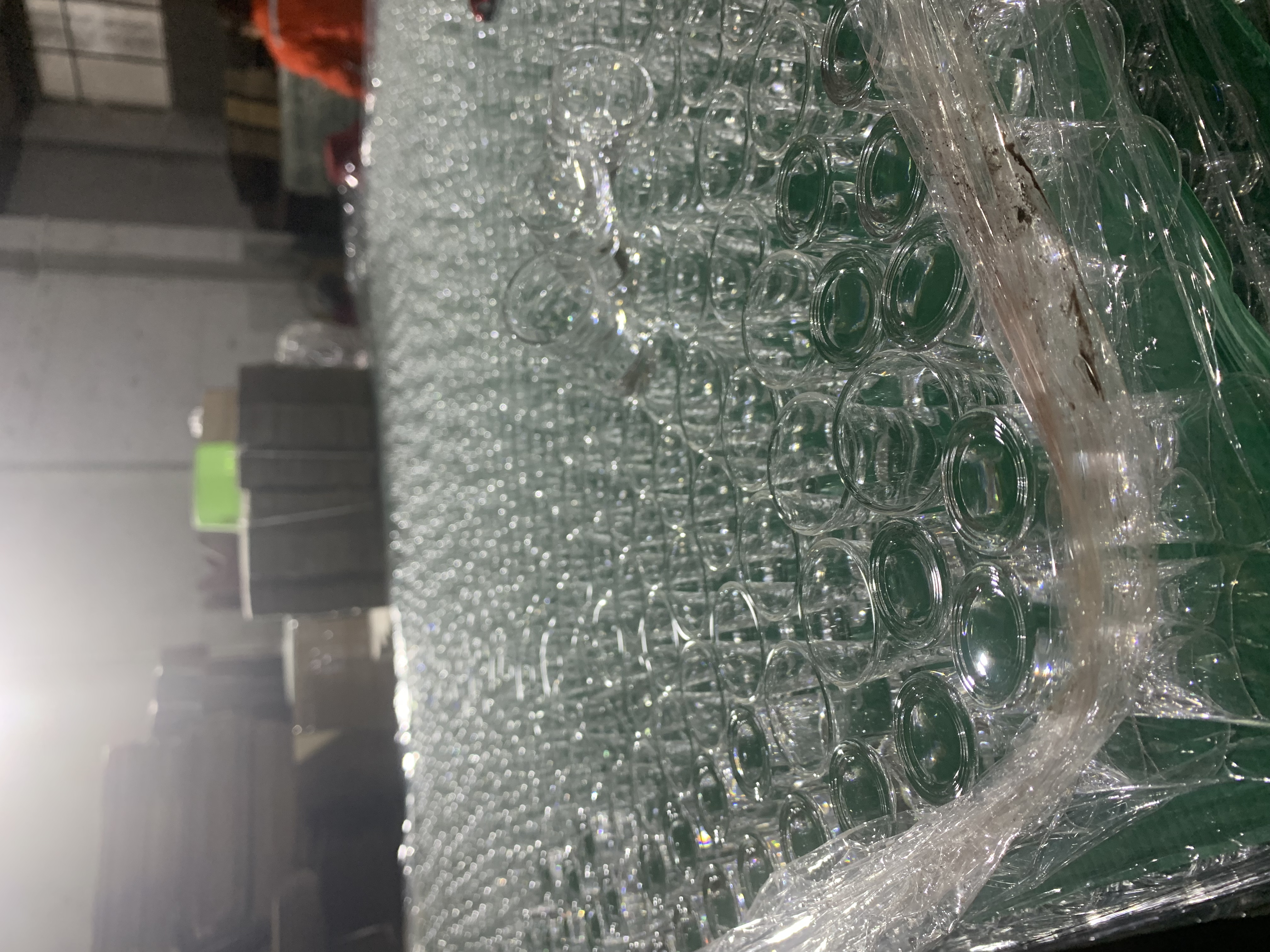
A well-organized warehouse is crucial for reliable stock availability and quick dispatch.
2. Certifications and Quality Assurance
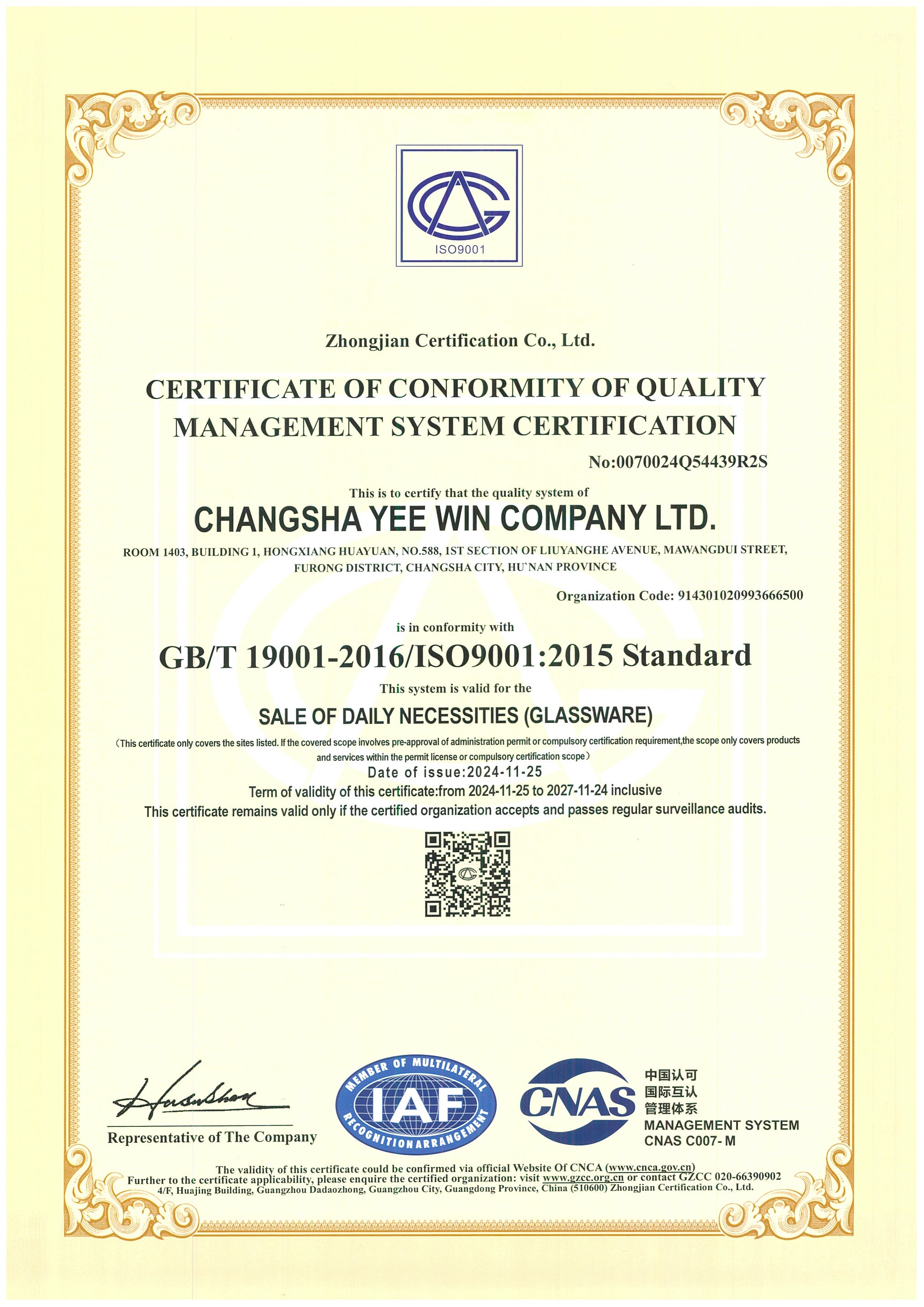
Professional buyers must verify certifications. LAKOTTO provides documentation for key standards, which should be requested during due diligence:
- ISO 9001:2015 (GB/T 19001-2016): Certifies a structured Quality Management System ensuring consistent product quality.
- BSCI Audit: Indicates adherence to social compliance standards, increasingly important for Western retailers.
- Food Safety Management System Certification: Critical for products like glass cake plate and recycled glass jar intended for food contact.
- ISO 14001: Demonstrates environmental management commitment, aligning with the demand for sustainable recycled glass bottle and recycled glass mug products.
3. Production and Technical Capability
Their familiarity with various processes—manual blowing, machine pressing, IS (Independent Section) machine production—indicates technical depth. This enables them to produce everything from delicate fluted stemmed glass to robust glass storage jar. Images of their production line, such as forming and annealing processes, offer transparency.
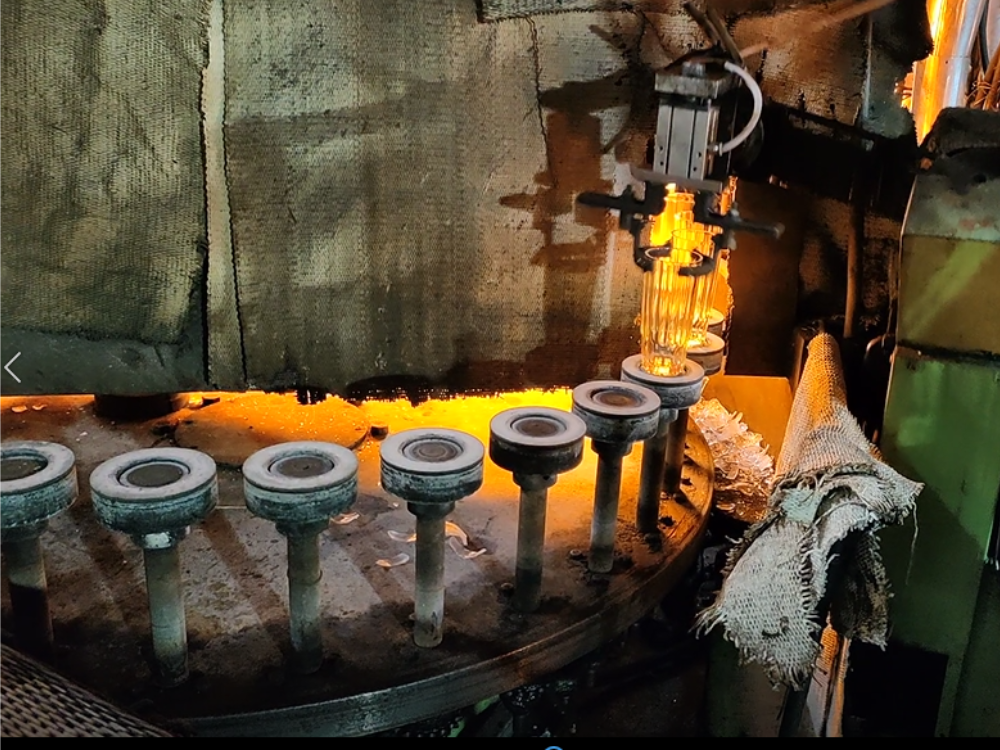
The glass forming process requires precision and expertise to ensure product consistency.
4. Product Development and Market Alignment
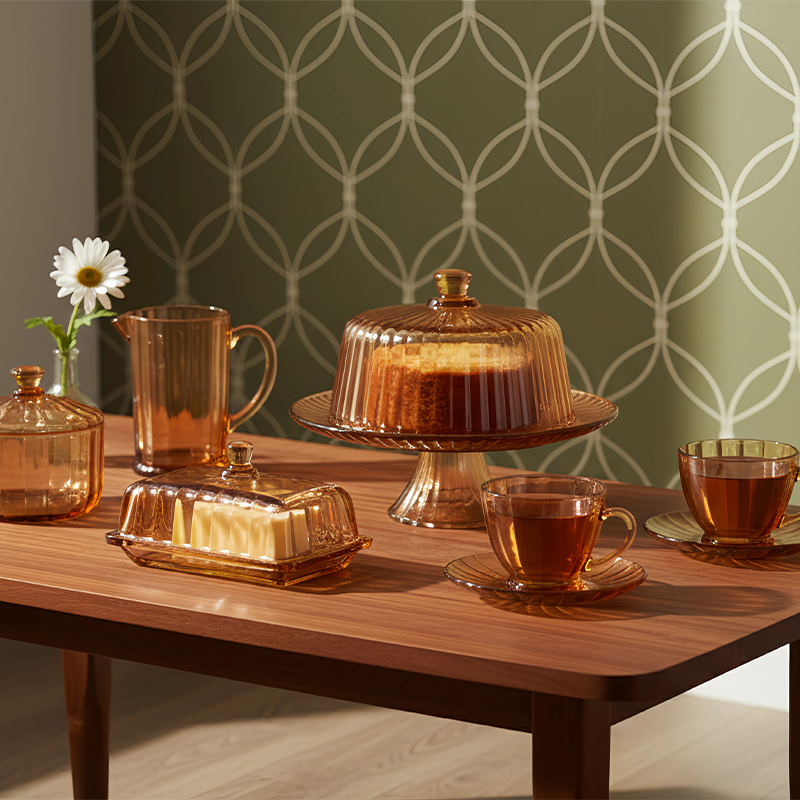
A supplier's ability to track trends is vital. LAKOTTO's claim of sourcing "newest idea from hot selling items" in European and North American markets suggests a proactive design team. Their product portfolio, featuring items like the amber color glass tableware set and the modern LUEUR SERIES, shows responsiveness to contemporary aesthetics and color trends.
Actionable Steps for Procurement Success
- Prepare a Detailed RFQ: Specify product type (glass mug vs. glass tumbler), material (soda-lime, borosilicate, recycled content), capacity, design details, quantity, and packaging requirements.
- Request Documentation: Always ask for updated certification copies, factory audit reports, and product-specific test reports (e.g., lead & cadmium release for colored glass).
- Ask for Samples: Evaluate the physical quality of a glass water bottle or wine glass firsthand. Check for defects like bubbles, uneven thickness, or rough edges.
- Discuss Logistics Early: Inquire about standard packaging for export, their experience with your target destination port, and Incoterms they typically work with.
- Clarify Communication Channels: Ensure there is a dedicated point of contact. For example, LAKOTTO can be reached via phone/WhatsApp at +86 19310185010 or email at cs61@kottoglass.com. Their website, www.kottoglass.com, serves as an initial showcase.
Selecting a glassware supplier is a strategic partnership. By moving beyond price comparisons to a holistic assessment of capability, compliance, and communication, buyers can secure a reliable source for glassware. Suppliers like LAKOTTO, with over two decades of experience, integrated supply networks, and relevant certifications, exemplify the type of partner that can support long-term growth and mitigate supply chain risks in the dynamic home goods market.
Have Questions or Need More Details?
Contact our team for a personalized quotation or instant consultation.
Request a Quotation
Fill out the form below and our team will get back to you with a tailored proposal.
WhatsApp Direct Chat
Prefer to chat in real-time? Message us on WhatsApp for instant assistance & quick answers.
- Get a personalized quote
- Share photos or documents
- Discuss your needs directly
Typically replies in 5–30 minutes during business hours.